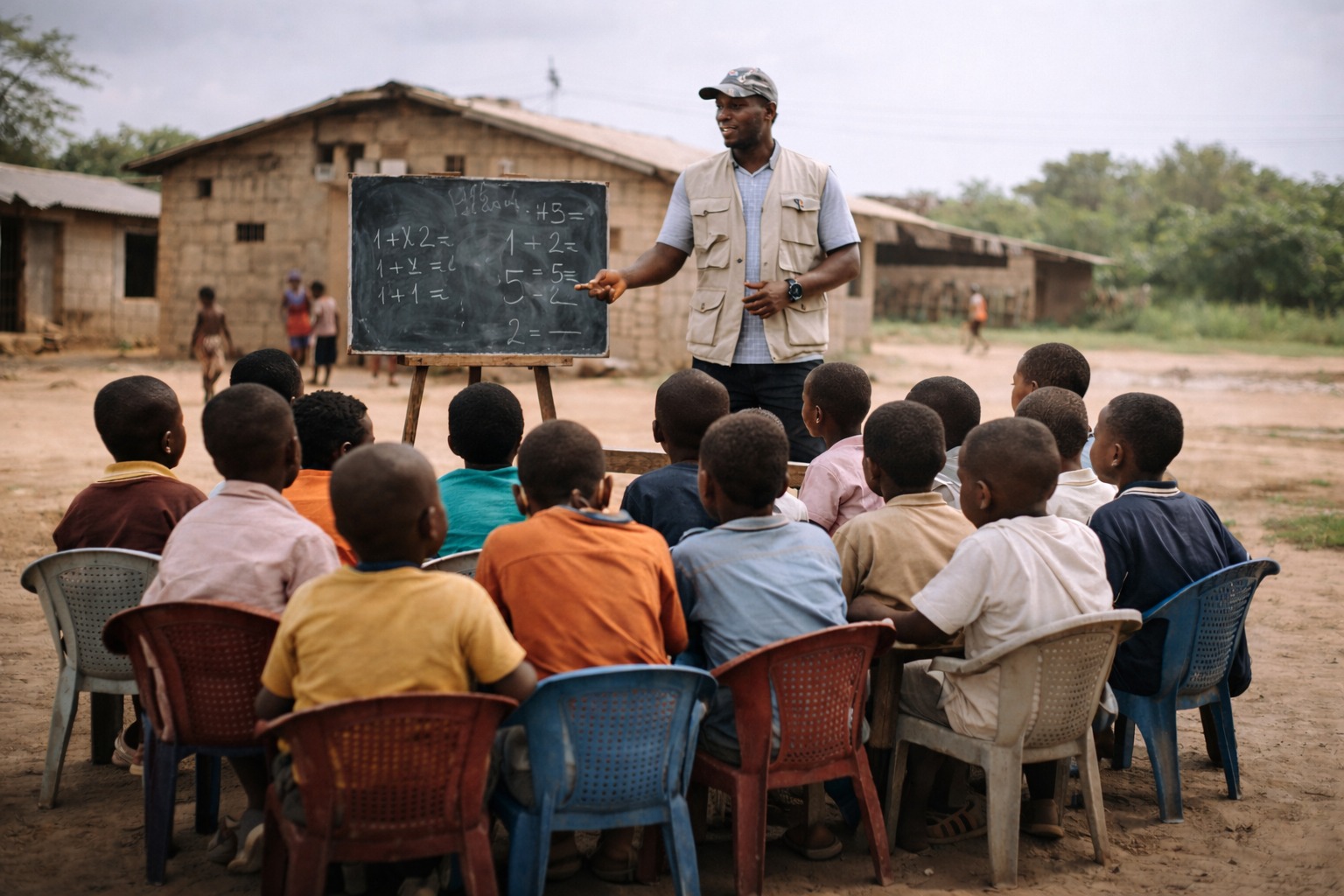
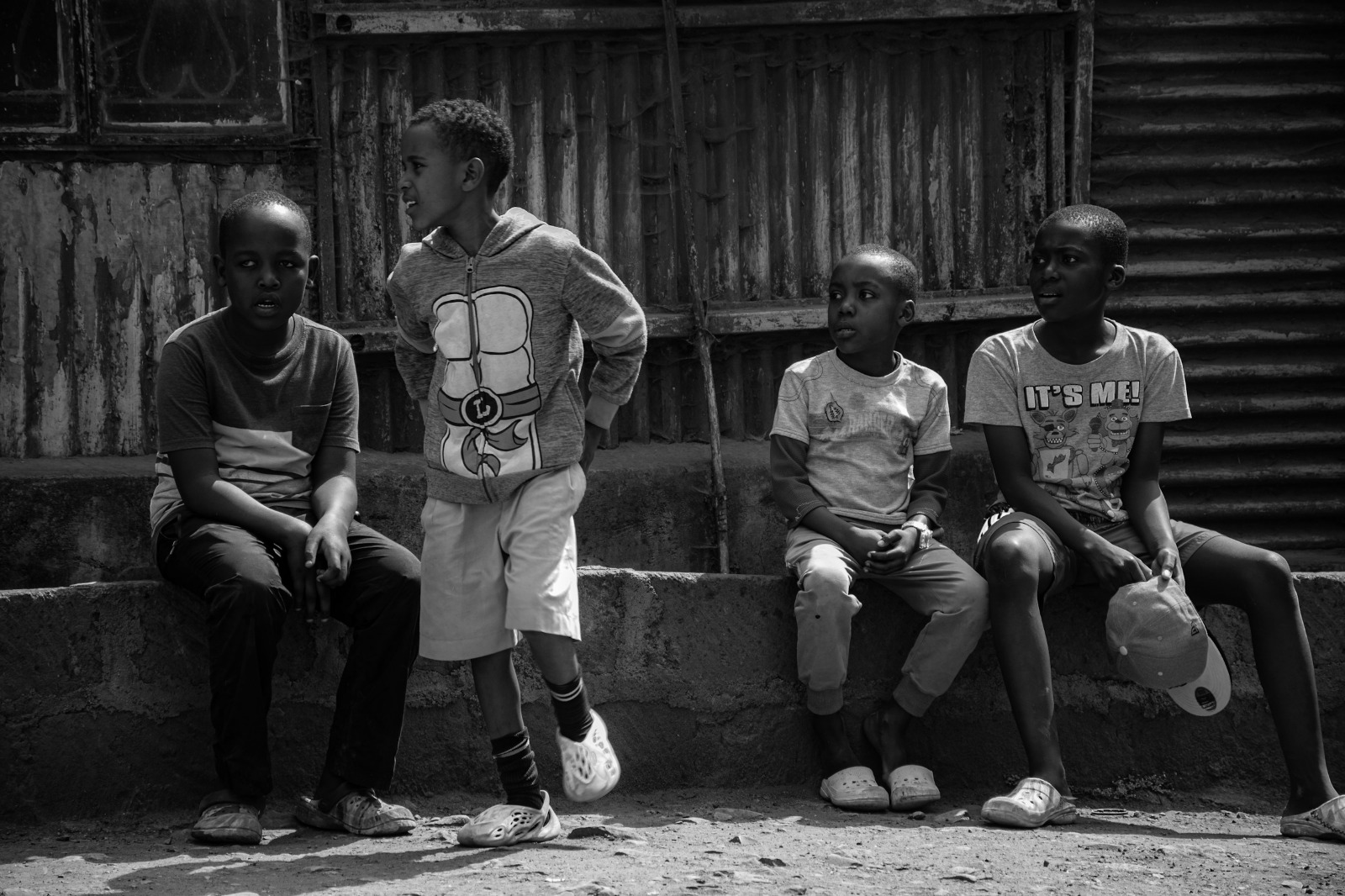
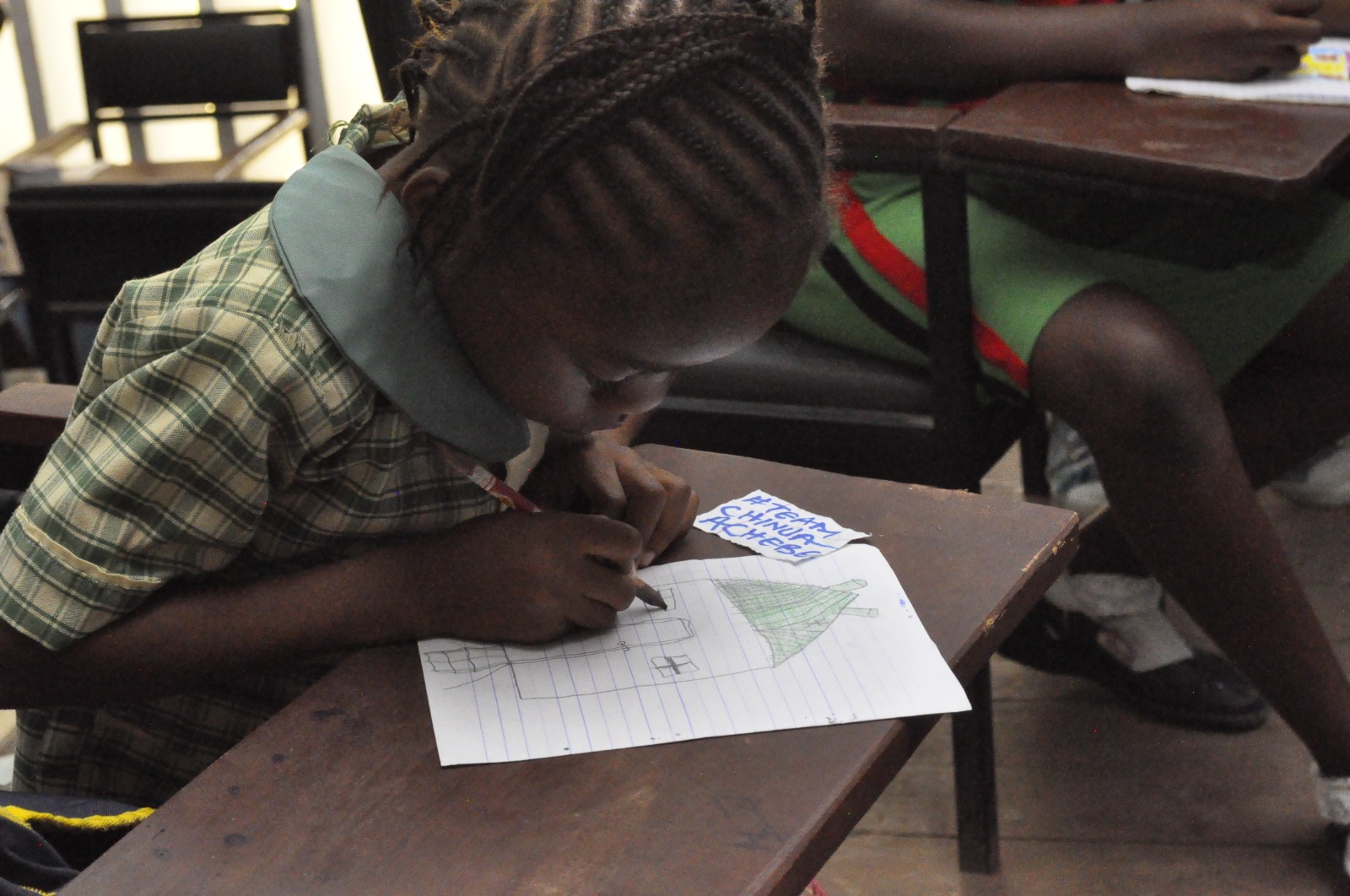
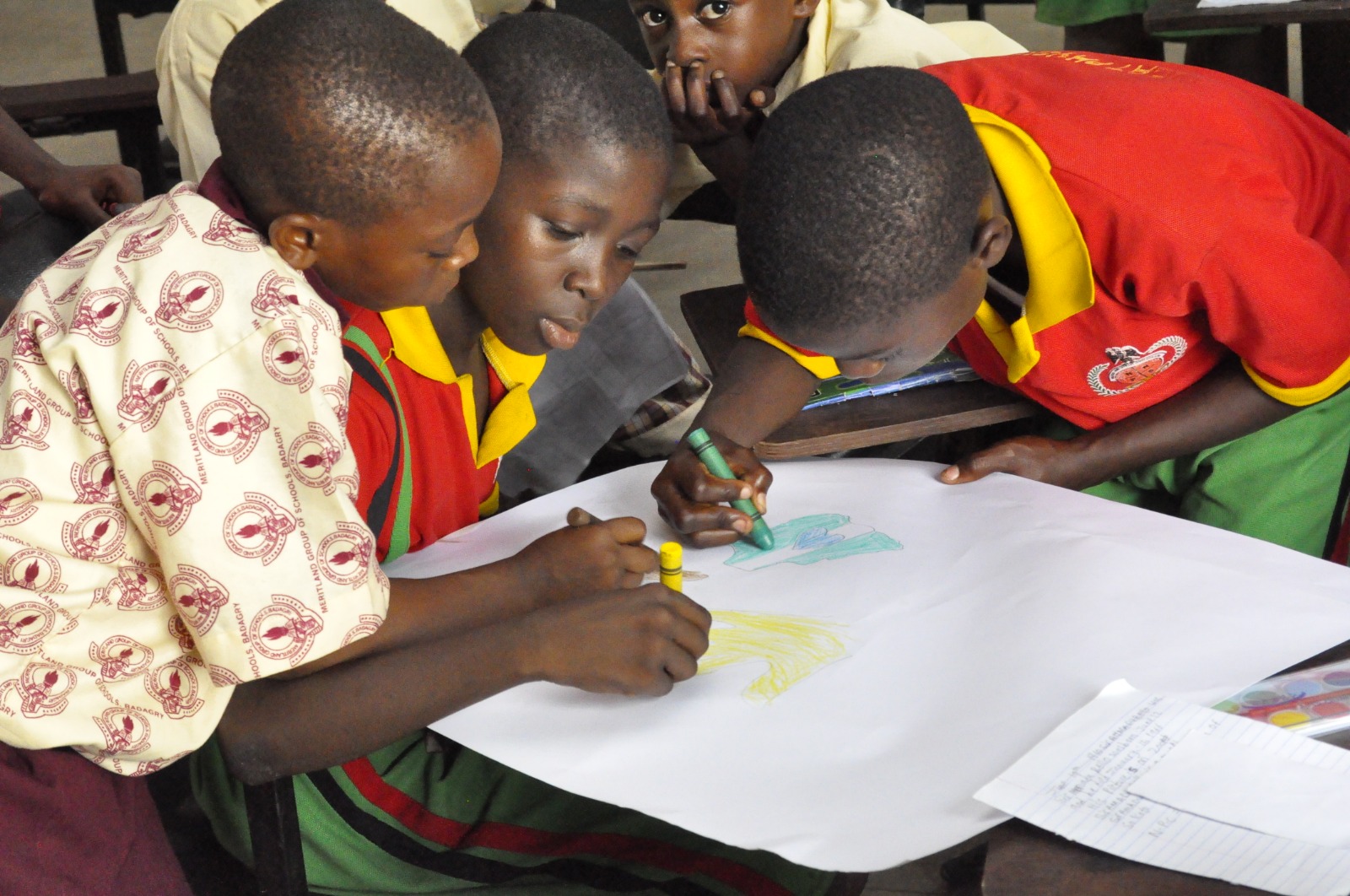
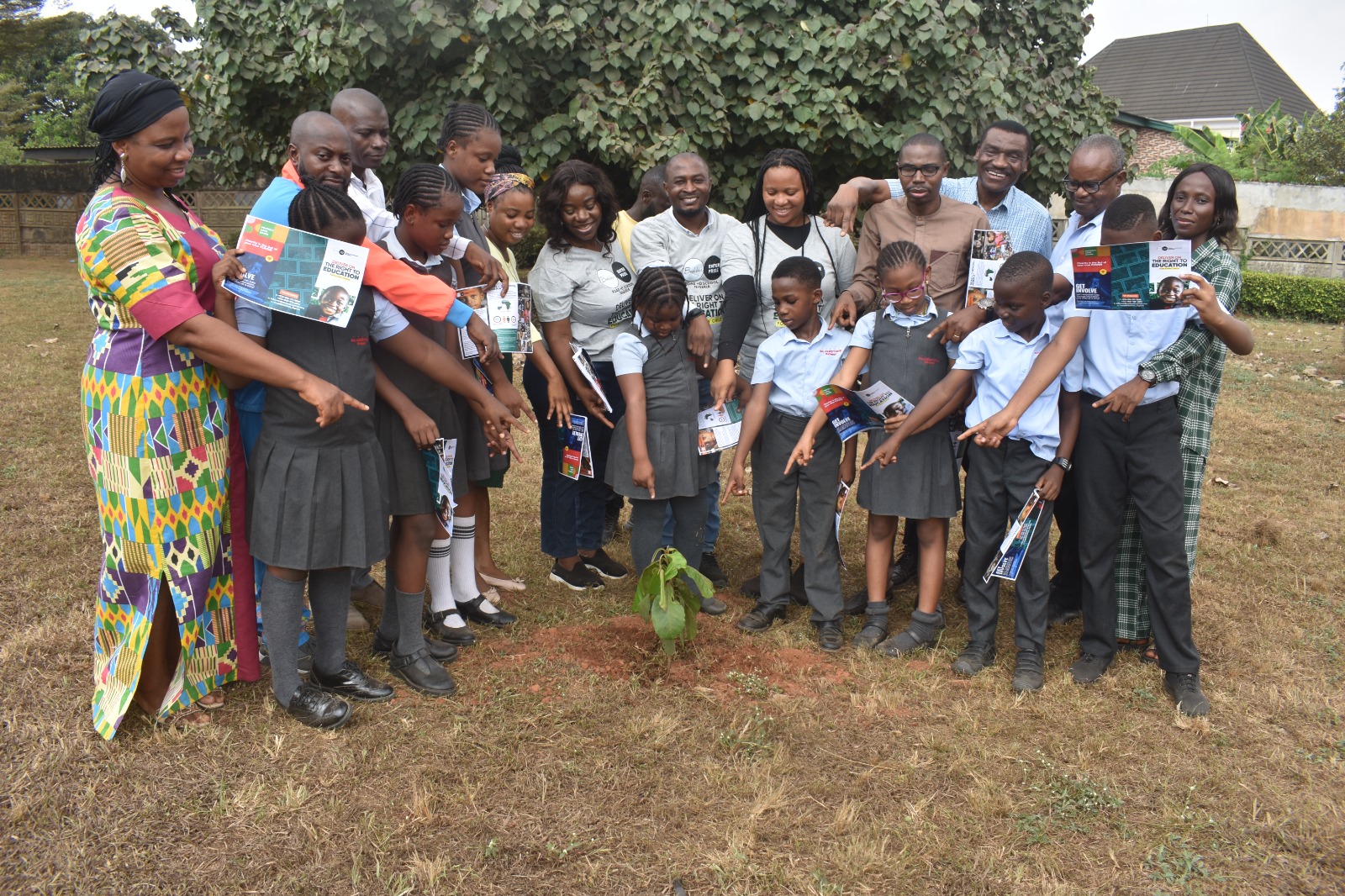
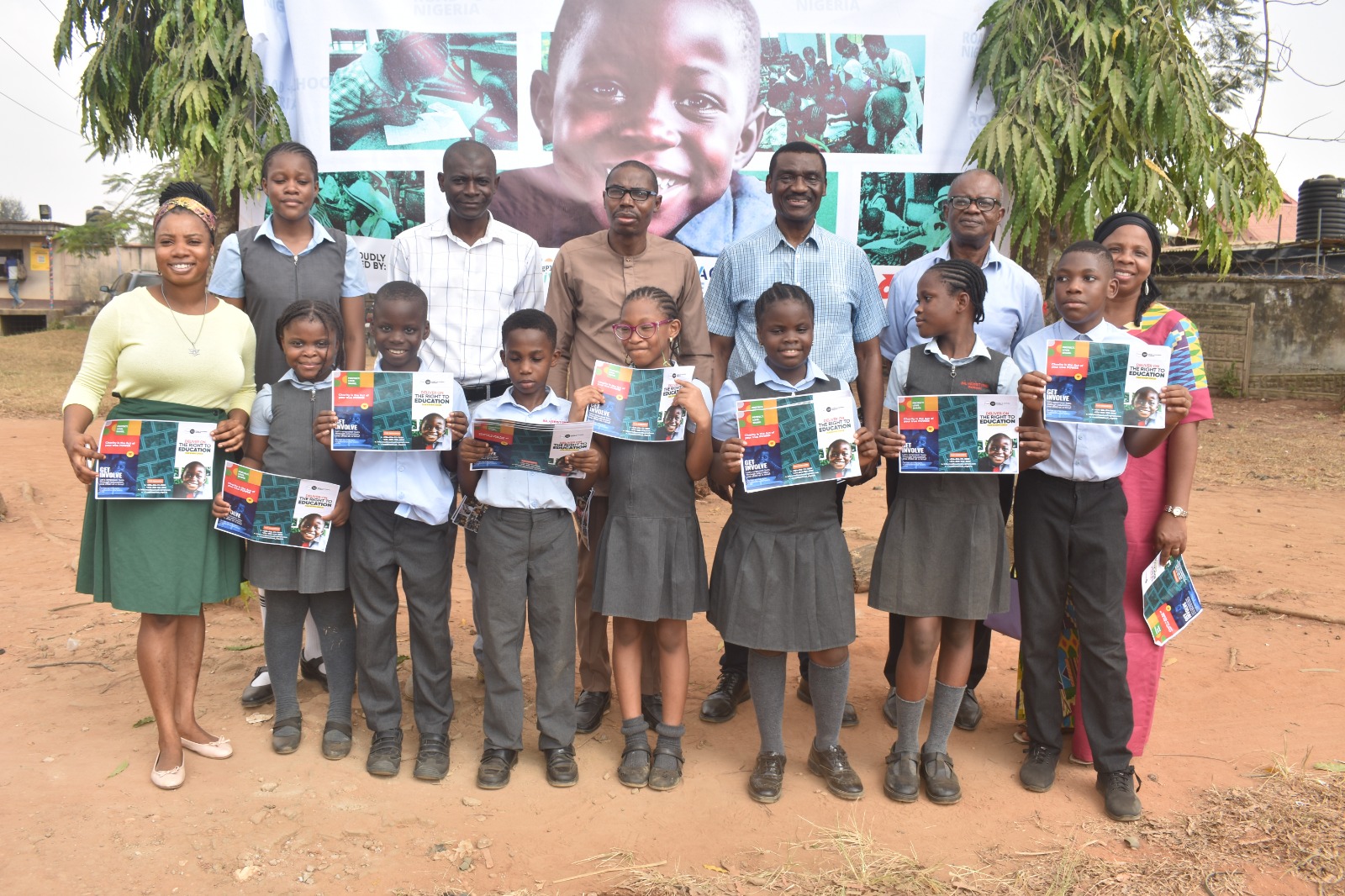
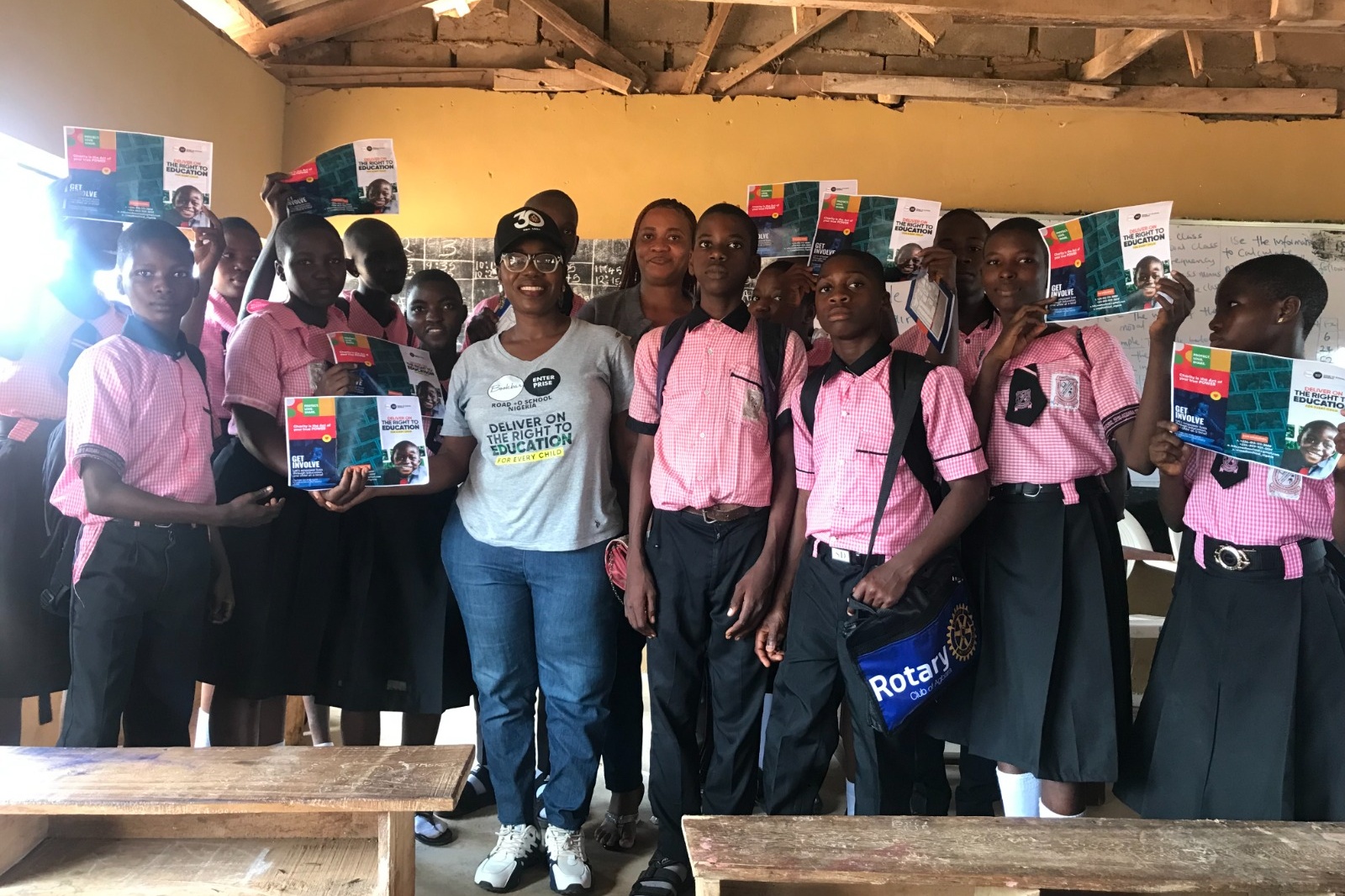
Ensuring that every child has access to schooling is both a moral responsibility and a strategic necessity. Decades of global research — including long-term child development studies from UNICEF, UNESCO, and the World Bank — consistently show that early childhood education shapes the trajectory of a child’s holistic development and builds a strong foundation for their future.
We want all children in school because:
Education is a fundamental human right: Education is every child’s right, regardless of who they are or where they live, ensuring equality and opportunity for all.
It helps break the cycle of poverty: Quality education is one of the most effective ways to escape poverty and improve long-term socioeconomic mobility.
It provides safety and protection: Schools provide a safe haven, shielding children from violence, abuse, exploitation, child labor, and early marriage.
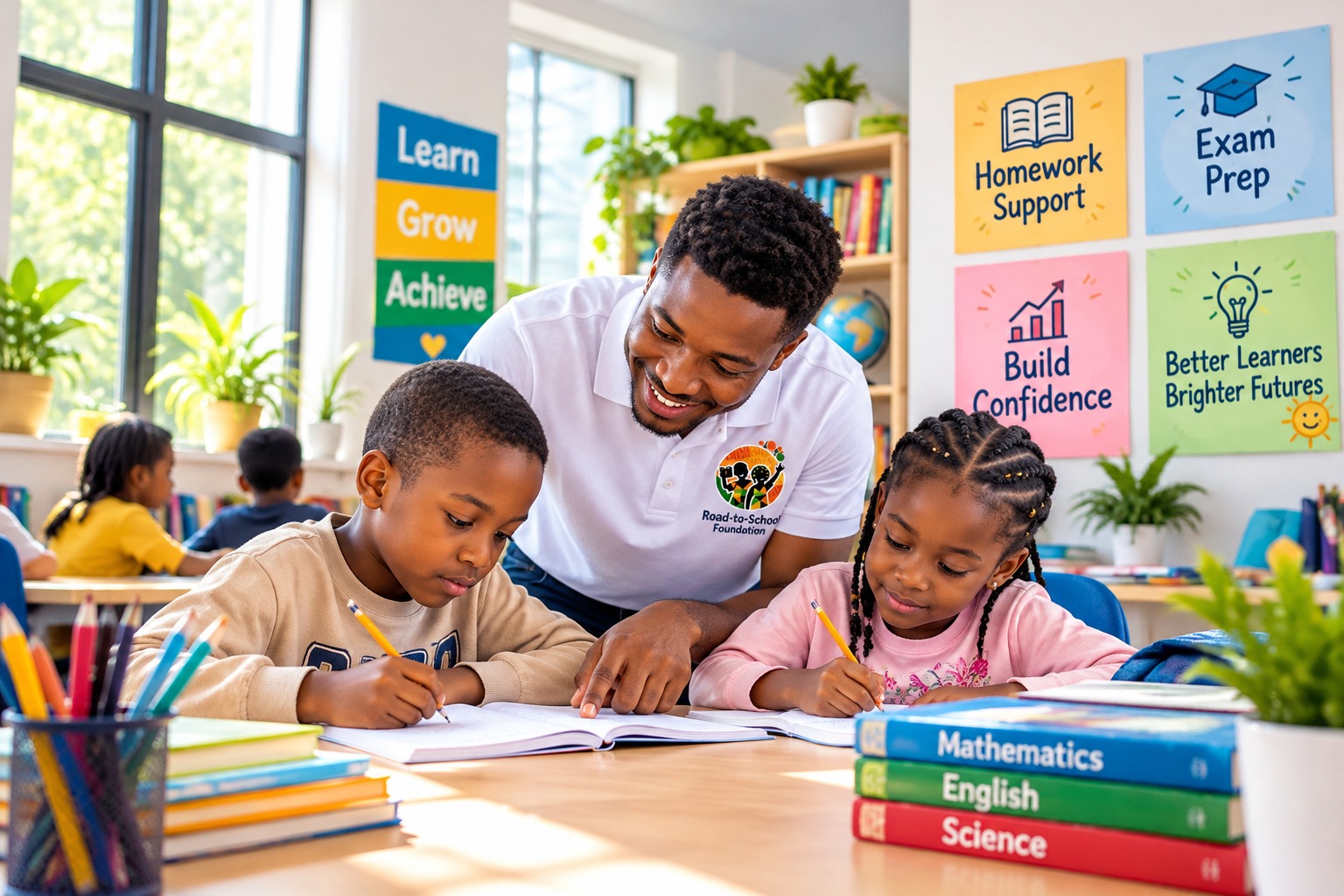
It supports essential skill development: Education builds foundational literacy, numeracy, and life skills, preparing children for future work, leadership, and community participation.
It promotes inclusion and equality: Inclusive education systems give girls, children with disabilities, and marginalized youth a fair chance to learn and succeed.
It improves long-term health and well-being: Early education leads to better health outcomes, lower rates of depression, and higher productivity in adulthood.
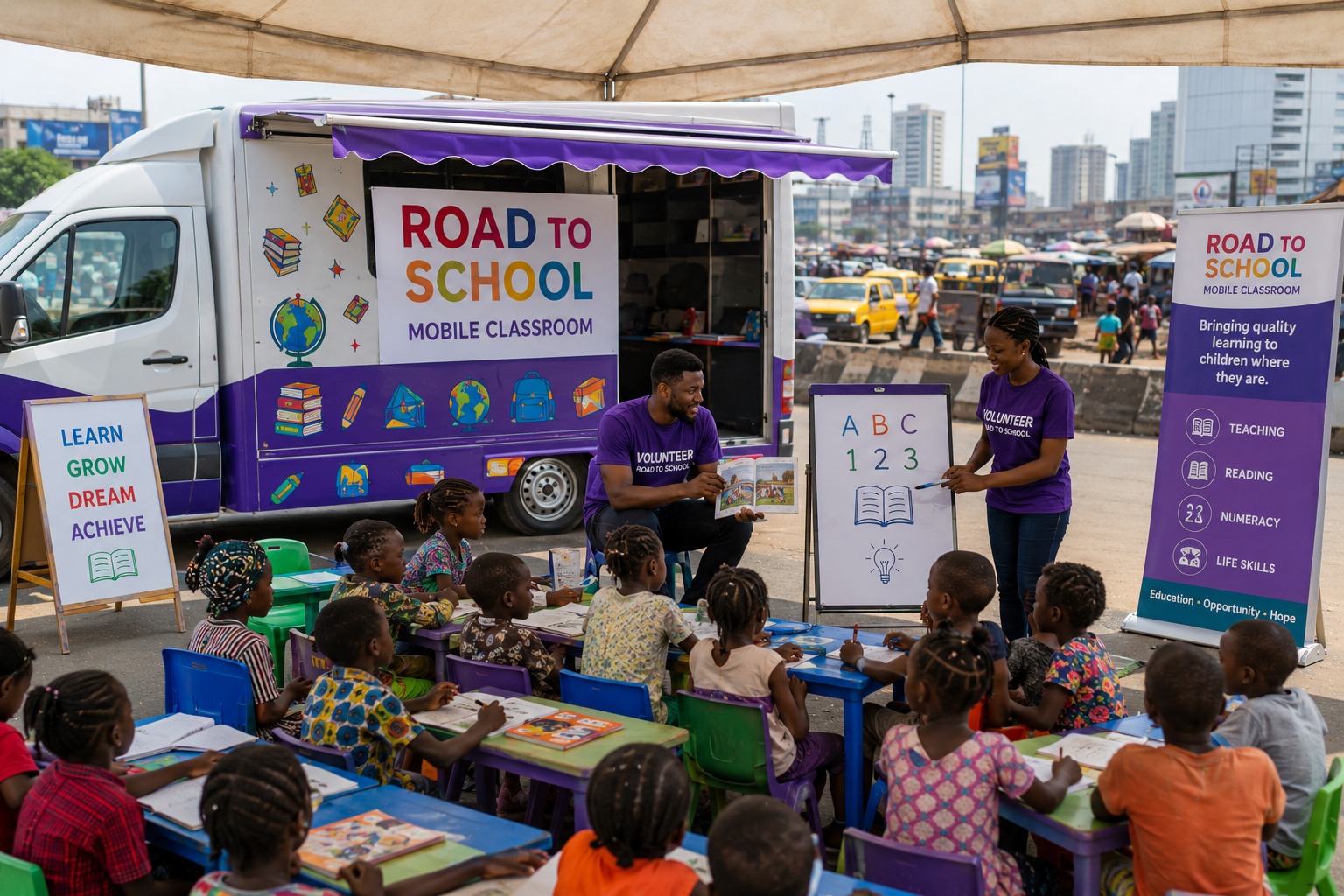
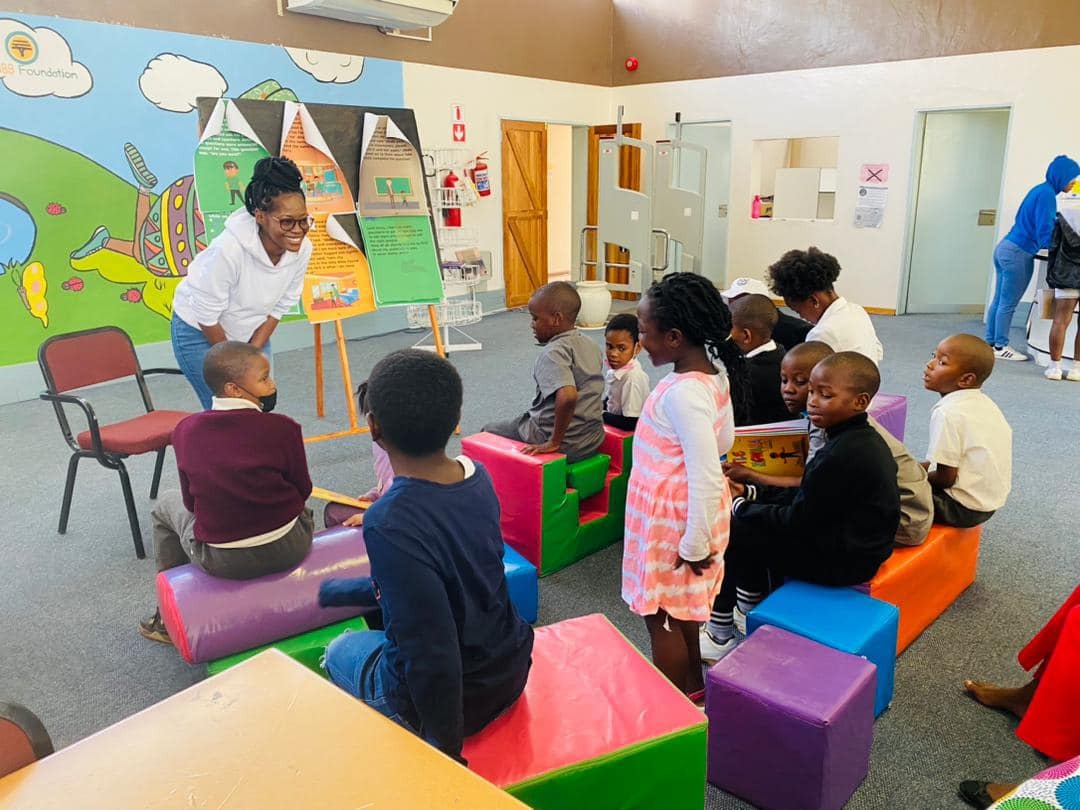
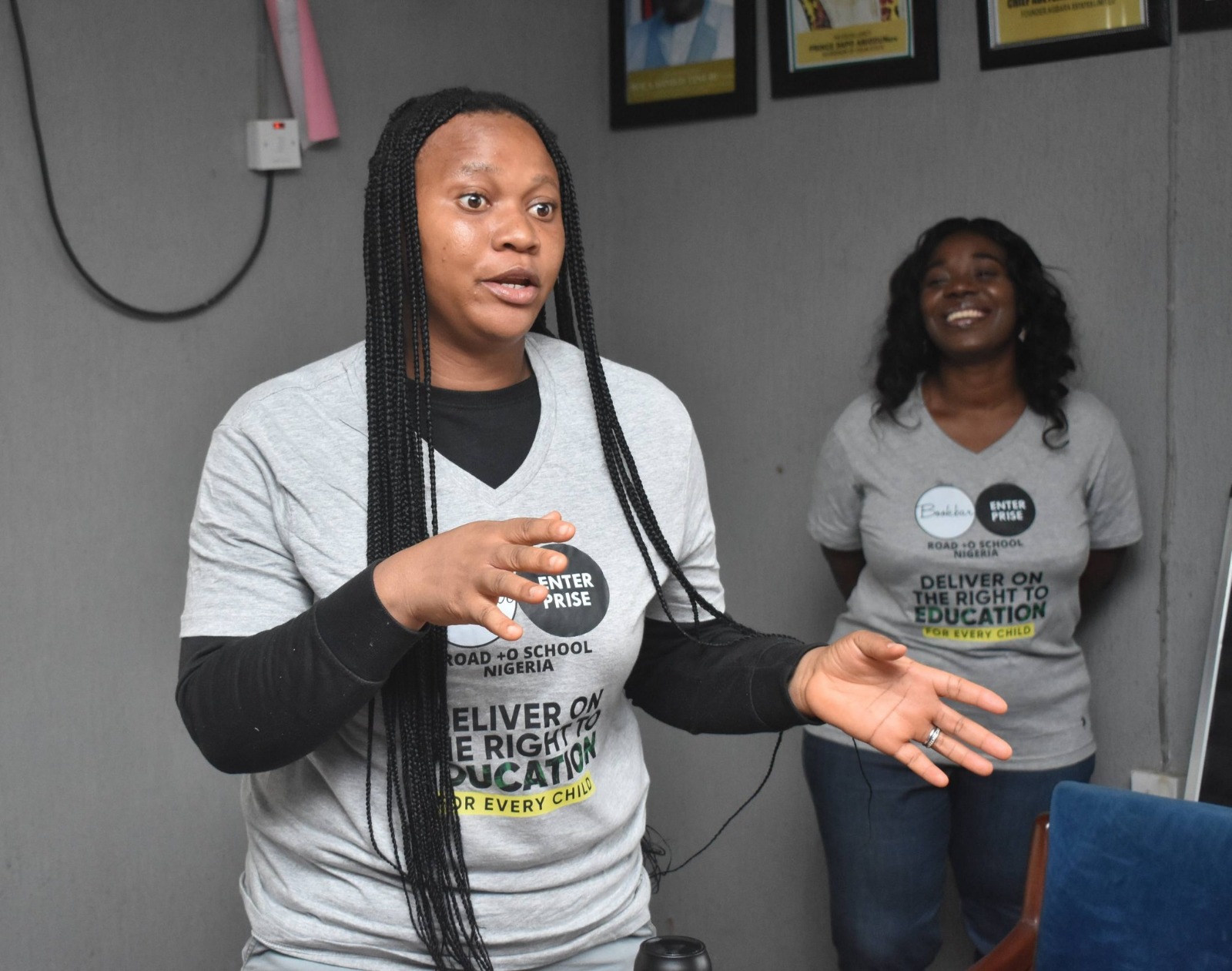
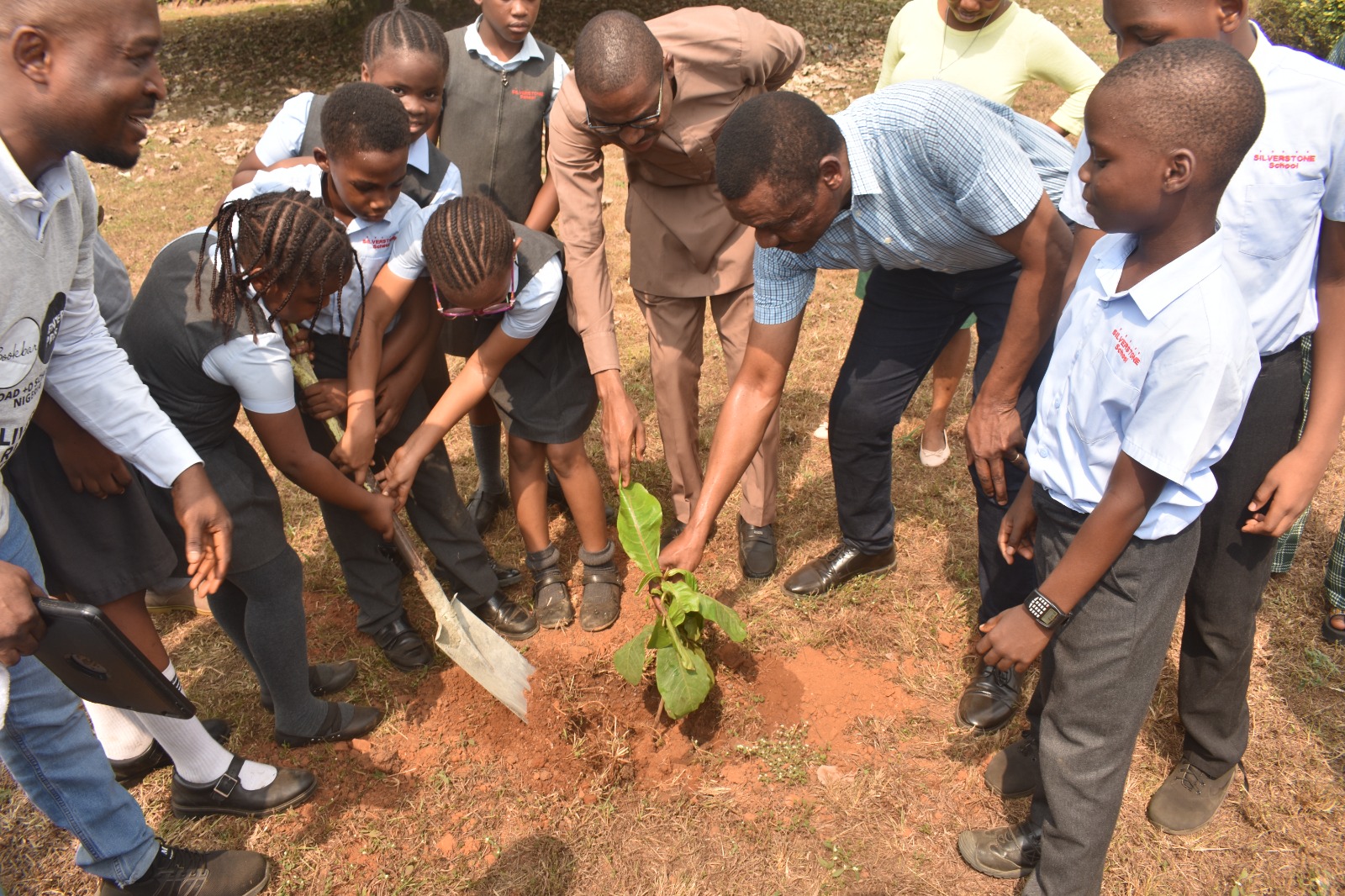
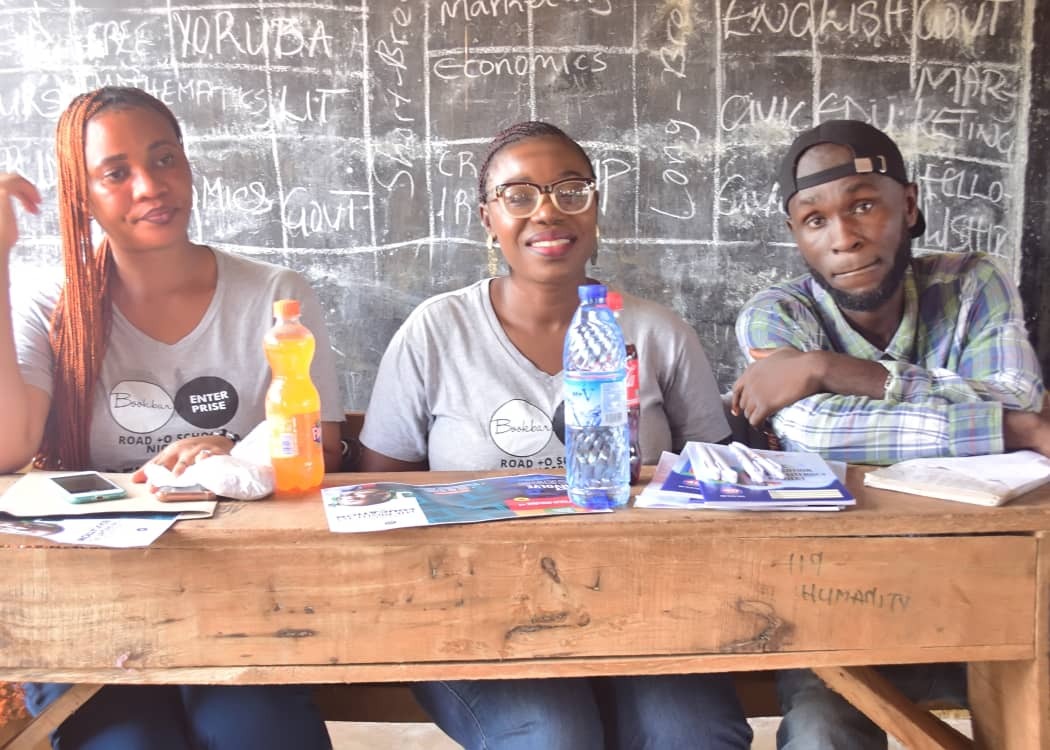
At Road to School, we work to ensure that no child is left behind simply because of where they were born or the circumstances, they inherited. We create access to safe, inclusive, and functional learning spaces so every child can learn, dream, and build a better future.
We partner with over 320 amazing projects worldwide, and have given over $150 million in cash and product grants to other groups since 2011. We also operate our own dynamic suite of Signature Programs.
The idea for Road to School Nigeria was born during the tenure of Governor Babatunde Fashola (2007–2015), when Lagos State cracked down on displaced persons—dislodging informal settlements, clearing footbridges, removing street beggers from markets, and relocating thousands of beggars to their states of origin.
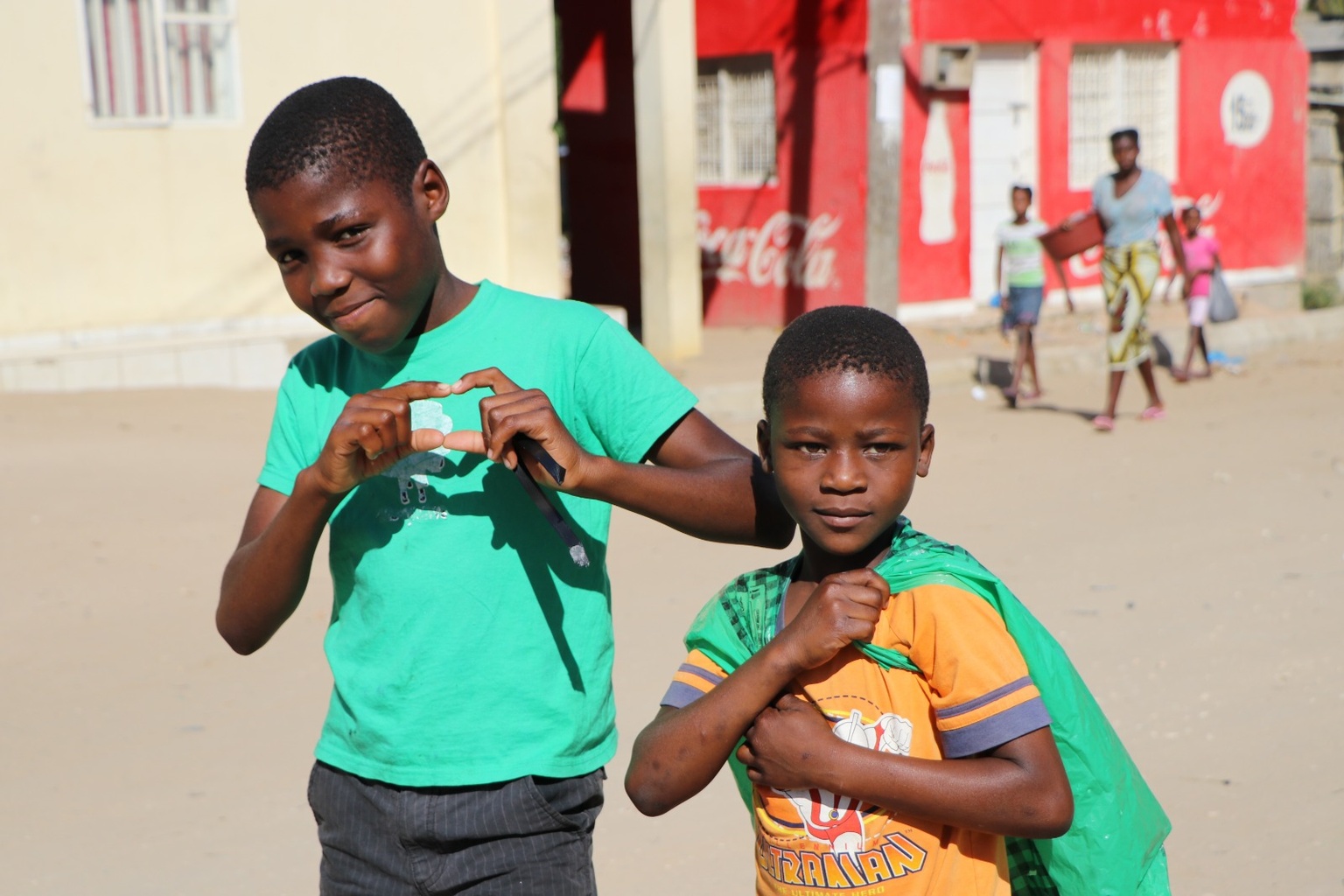
While these actions aimed to position Lagos as a more orderly and polished metropolis toward it mega city status ambition, the action addressed only the surface of a much deeper social issue. The approach overlooked the root causes of destitution and, in many ways, stripped vulnerable people—especially children—of dignity.
As one observer put it: