The idea for Road to School Nigeria was born during the tenure of Governor Babatunde Fashola (2007–2015), when Lagos State cracked down on displaced persons—dislodging informal settlements, clearing footbridges, removing street beggers from markets, and relocating thousands of beggars to their states of origin.
While these actions aimed to position Lagos as a more orderly and polished metropolis toward it mega city status ambition, the action addressed only the surface of a much deeper social issue. The approach overlooked the root causes of destitution and, in many ways, stripped vulnerable people—especially children—of dignity.
As one observer put it:
“Forcibly relocating vulnerable people—often children—to their ‘home states’ is like moving dirt from the living room to the bedroom: a temporary fix that leaves the underlying problem unresolved.”
Rather than viewing the crackdown purely as an enforcement action, Road to School emerged as a compassionate alternative—reframing the situation as an opportunity to redirect underserved children from life on the streets into the classroom. This approach acknowledges both the need for immediate intervention and the necessity of long-term support systems that address the real drivers of destitution: poverty, lack of access to education, family breakdown, and displacement.
At its core, the Road to School concept is rooted in a simple belief:
Every child, regardless of socio-economic background, deserves access to quality education as a pathway out of poverty and social exclusion.
Today, the Road to School Foundation builds on the lessons from that era while adapting to current realities. We promote collaborative partnerships among government agencies, civil society organizations, religious institutions, private-sector actors, and community stakeholders to ensure that no child is left behind.
Our modern implementation emphasize equity, inclusivity, sustainability and community partnership—ensuring that interventions are not temporary fixes but gateways to lasting transformation. This includes:
- Programs that provide direct access to education for out-of-school children
- Community-driven initiatives that empower families and local leaders
- Strengthening public–private partnerships to scale impact
- Advocacy and support for vulnerable children
- Training teachers and volunteers to cater to diverse learning needs
Through this approach, Road to School Foundation is transforming the lives of children and communities—one classroom, one program, and one child at a time.
Road to School Foundation works across Nigerian communities to ensure that no child is denied education because of economic hardship, location, or social circumstance. Our programs are aligned with the Sustainable Development Goals (SDGs), focusing on:
- 1. SDG 4 – Quality Education
- 2. SSDG 5 – Gender Equality
- 3. SDG 8 – Decent Work & Economic Growth
- 4. SDG 10 – Reduced Inequalities
- 5. Advocacy & Policy Engagement across all relevant education sectors.
We use a structured, community-driven model that ensures children not only access school—but succeed.
- 1. Community Engagement - Consult and engage with local stakeholders
- 2. Identification & Enrollment - Locate and register out-of-school children
- 3. Volunteer Recruitment & Training – Recruit and train volunteer admin, educators, and facilitators to deliver need base teaching.
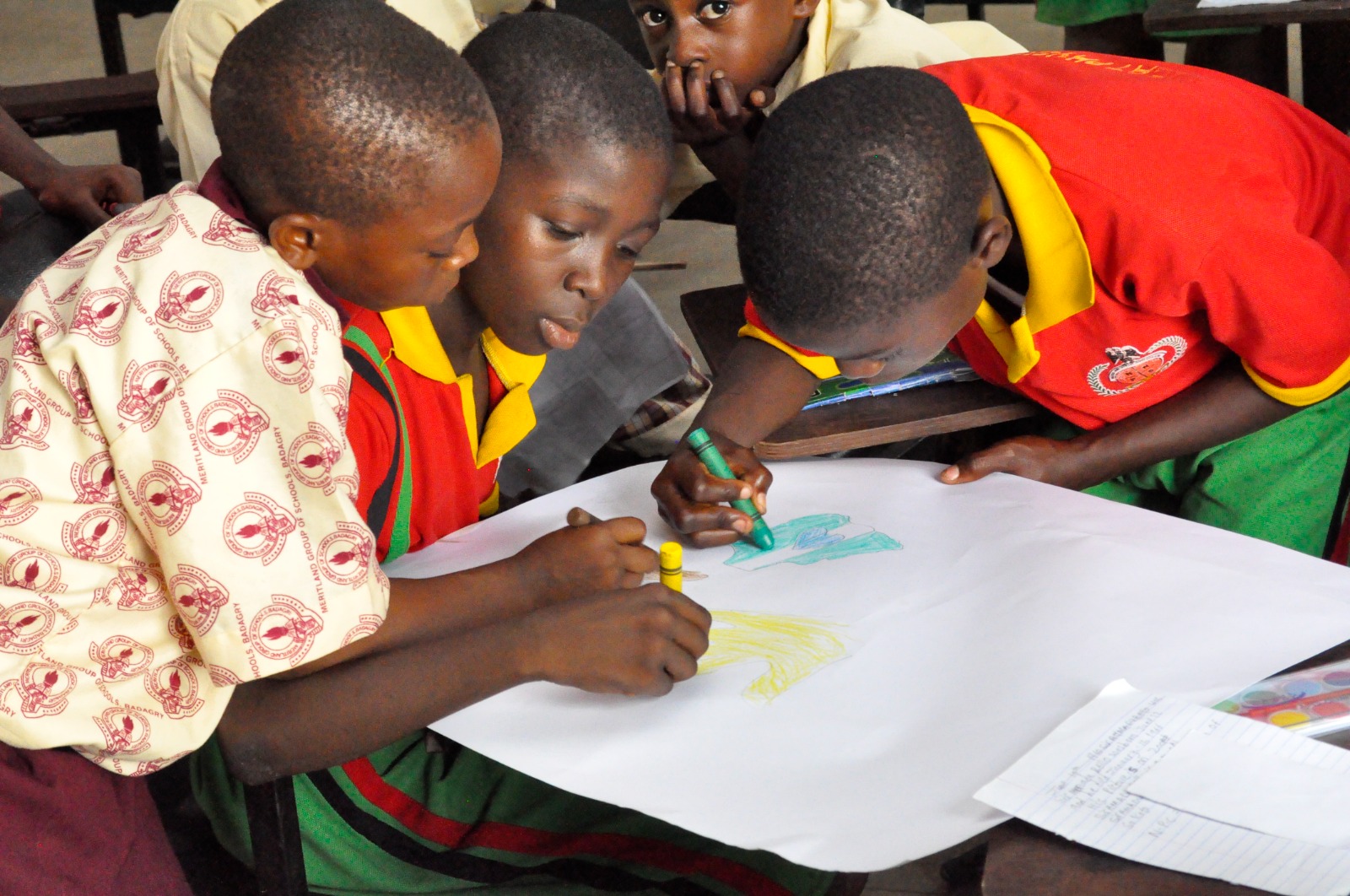
- 4. Preparatory Weekend Classes – Deliver foundational literacy, numeracy, and technical skills.
- 5. Integration into formal School system – Enroll children into public or private partner schools. sectors.
- 6. Support & Resources – Provide mentorship, resources, and sponsorship.
- 7. Monitoring, Evaluation & Continuous Improvement – Measure progress, refine methods, and scale up what works.
Over the past years, Road to School Foundation has reached children and communities across multiple localities in Lagos and Ogun State through direct education support and community learning initiatives.
Impact Snapshot:
- Impact Snapshot: through learning programs and outreach
- 2 community learning centres established since inception
- 20+ partner schools and international collaborators
- 25+ trained local volunteers 25+ trained local volunteers
(Full impact details available in our Annual Reports.)
Road to School Foundation is committed to transparency, good governance, and responsible stewardship of all funds entrusted to us.
Our Governance
- Led by a Board of Trustees providing oversight, accountability, and strategic direction
- Executive leadership with defined roles and compliance processes
- Clear separation of governance and day-to-day management
Registration & Legal Status
- Registered with the Corporate Affairs Commission (CAC)
Registration Number: 8621552
- Operates in compliance with Nigerian nonprofit and child protection regulations
Policies & Frameworks
- Child Safeguarding & Protection Policy
- Anti-Fraud & Financial Integrity Policy
- Data Protection & Privacy Policy
- Volunteer Code of Conduct and Screening Process
Financial Transparency
- Annual Reports & Financial Statements published for donors
- External audits conducted by independent professionals
- Monitoring & Evaluation (M&E) systems to track program outcomes
Download:
- Annual Reports
- Safeguarding Policy
- Governance Structure
- Registration Certificate
- Financial Summary (Yearly)